
A Calm Home Setup for a Winter Power Outage
At a glance: Give lights, charging supplies, contacts and everyday essentials one dependable home. Plan for household-specific needs and a safe place to go if staying home becomes unsuitable; follow emergency authorities and equipment instructions.
Make a home base for what you need in the dark
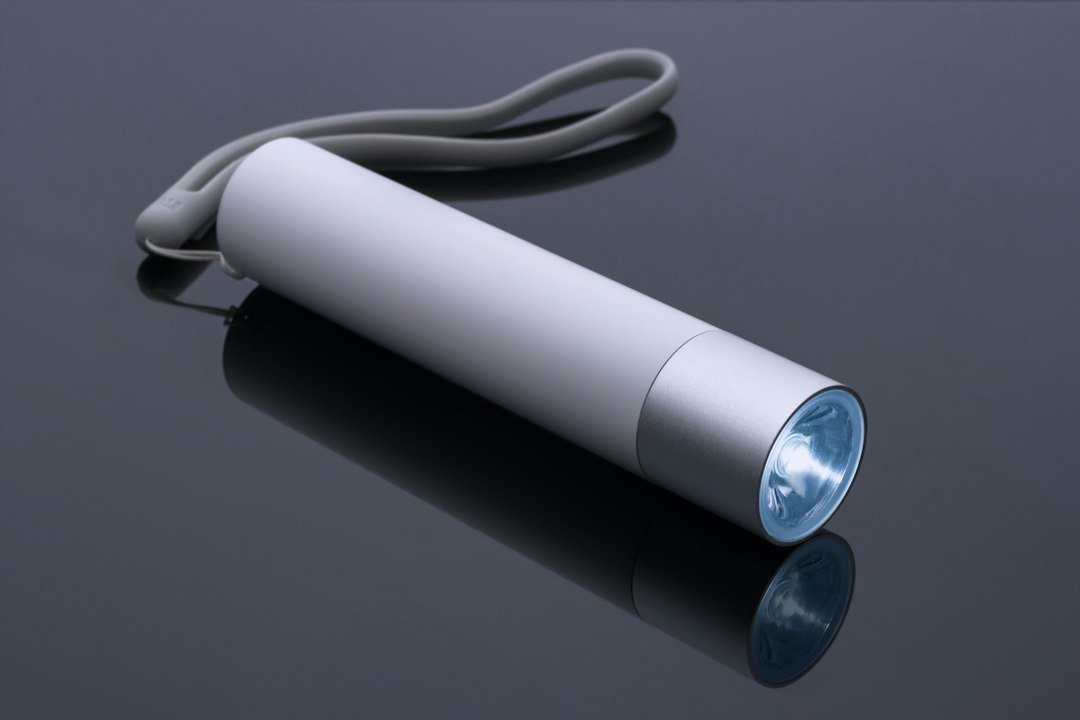
A flashlight hidden on a garage shelf is not much help when every light in the house goes out. Pick a low, reachable cupboard or drawer for flashlights, spare batteries, a paper contact card, a charged power bank and any household-specific essentials.
Keep another flashlight near the bed. Test whether people can reach the supplies without climbing or crossing a dark room. This is not a competition to see how much emergency equipment fits in one closet.
Write down a way to reach each other
Choose an out-of-area family contact and agree on a basic check-in approach. Keep telephone numbers on paper as well as in phones. Ready.gov recommends planning how household members will communicate if separated during an emergency.
Check local emergency alert options and note a backup source of information. Charge phones ahead of weather warnings and store a compatible charging cable with the power bank. If power-dependent medical equipment is involved, discuss a specific backup plan with the medical supplier, care team and utility.
Build a supply shelf around what you really use
Keep accessible drinking water, food that does not require cooking, blankets, hygiene items, pet supplies and other daily essentials. Review medicine and specialty equipment needs with the appropriate provider. Rotate the food and supplies before they expire.
Use a one-page inventory taped inside the cabinet, with a date for the next check. Keeping known, usable items in an established location is more valuable than buying a novelty kit that nobody opens.
Make heating safety non-negotiable
Never use a generator, charcoal grill or outdoor camp stove inside a house or garage. Fuel-burning equipment can produce deadly carbon monoxide. Keep portable generators outside at least 20 feet from the home and from any window, door or vent, including those on nearby buildings, with exhaust directed away from doors, windows and vents, and follow manufacturer and emergency-authority instructions. Maintain suitable carbon monoxide and smoke alarms.
If the home cannot be kept safely warm, know where local warming centers or emergency shelters are located. Identify an evacuation route and transport arrangement early. Blankets, layers and safe options beat improvised indoor burning every time.
Set small roles and check on neighbors
Agree who will report the outage, monitor updates, care for pets and check on a nearby person who may need assistance. Keep keys, warm clothing and necessary medical supplies together if leaving becomes necessary.
Try a ten-minute practice with the lights off. Notice what is difficult to find, whether everyone knows the contact plan, and whether hallways are clear. Adjust the system based on the rehearsal.
Refresh the setup monthly through the season
Check flashlight batteries, power-bank charge, contact information and the supplies list. If you use an emergency radio, test it. Replace used items promptly. The checklist should fit on one page and be understandable to a visiting relative.
For everyday home navigation, pair emergency readiness with our aging-in-place room-by-room guide. Making items easy to find now is the best kind of preparation for an inconvenient surprise.
Rehearse one ordinary evening
Imagine the lights go out while you are making dinner. Can you find a flashlight from your usual chair? Do you know where the pet lead and outdoor shoes are? Can you read the utility contact without unlocking a phone? Walk the route with the lights on first and remove the obstacles you notice.
Keep the plan small enough for everyone to remember. One person may check official outage information while another gathers the everyday items needed if you leave. Make room for a person living alone: identify who they can contact and what transport is realistically available. These are arrangements to agree in advance, not duties to assign to an unsuspecting neighbor.
Write down the household-specific questions
A general kit cannot answer questions about refrigerated medicine, a powered medical device, a private well or electrically controlled access. Write down the issue and the qualified source to ask: care team, equipment supplier, utility or building manager. Keep the resulting instructions with the plan.
Ask local emergency management how warming-center information is announced. Record a reachable alternative location and an agreed ride rather than assuming that a nearby building will be open. Follow official evacuation or shelter instructions when issued, and seek urgent help when someone is in immediate danger.
Your first 15 minutes
Choose the supply location, test two lights and write the household contact card. Identify one power-dependent need that requires a specific professional backup plan.
Helpful next steps
An Aging-in-Place Home Walkthrough
Sources
Ready.gov: Family Planning and Emergency Supplies
US Fire Administration: Smoke Alarms
CDC: Power Sources and Emergency Preparation
CDC: What to Do to Protect Yourself During a Power Outage
Featured photo: Marina Grynykha / Unsplash.