Old Household Batteries: A Safer Sorting and Drop-Off Plan
At a glance: Identify batteries by their labels, separate routine used batteries from damaged items and confirm a collection route before packing. Protect terminals as instructed and keep lithium batteries out of household trash and curbside recycling.
Start with the problem hiding in the junk drawer
Loose batteries often migrate from the kitchen to a garage shelf, then into a bucket with other hardware. That is a poor storage system for damaged, spent or unidentified cells. Lithium batteries require particular care because a damaged battery or shorted terminals can create a fire hazard.
The EPA advises against putting lithium and many rechargeable batteries in household trash or curbside recycling. Your first job is not to find a fancy organizer; it is to separate batteries from metal tools, loose screws and things that could crush them.
Separate batteries by condition and chemistry
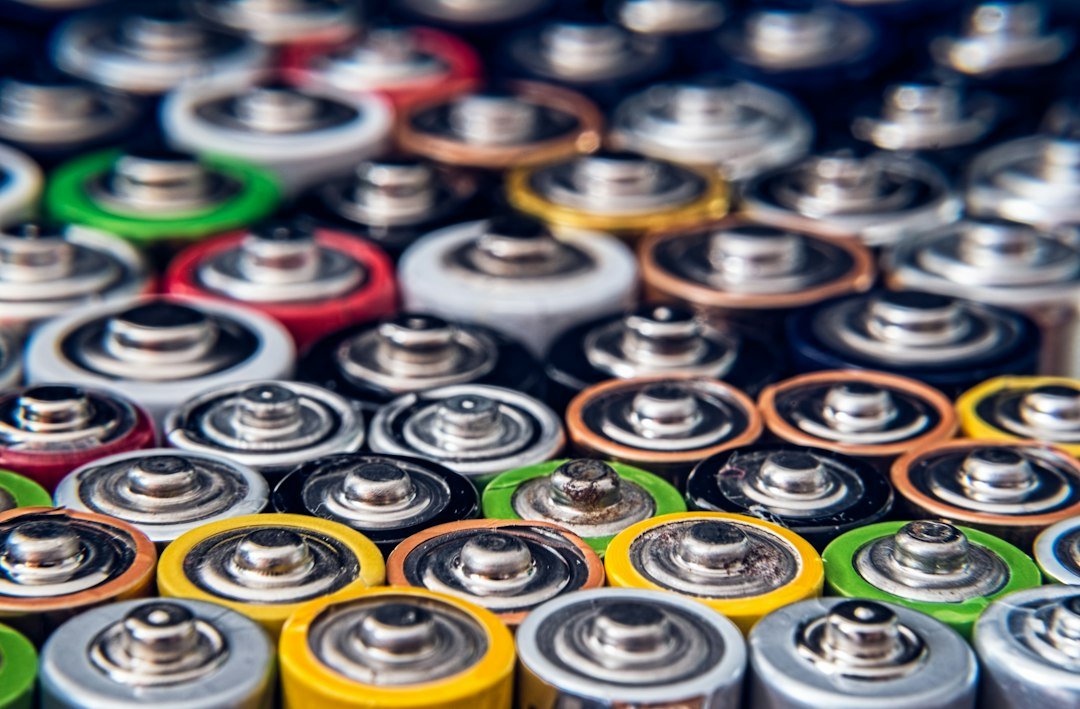
Create clearly labeled categories for ordinary household batteries, rechargeable batteries, battery packs from power tools, and items with a battery built in. Check the markings rather than guessing. A visibly damaged, swollen, leaking or unusually hot battery should not be treated like routine household clutter.
For a damaged battery, stop using it and follow the manufacturer’s handling guidance and your local hazardous-waste authority’s instructions. Do not puncture, crush or attempt to dismantle lithium battery packs. Keep children and pets away from the sorting area.
Protect terminals and use a suitable container
EPA recommends isolating many lithium battery terminals using nonconductive tape or individual bags to prevent accidental contact. Follow specific local collection instructions because packaging requirements can vary. Use a sturdy, clearly labeled temporary container in a dry, protected area where batteries cannot be crushed.
Do not leave loose batteries in a metal coffee can with nails and wire. Do not store battery waste near flammable materials, high heat or direct sunlight. This is a temporary collection station, not a permanent storage project.
Find a legitimate exit route before collecting more
Check your local solid-waste authority, a participating retailer or an approved battery collection program. Ask which chemistries and sizes are accepted and whether damaged packs require special arrangements. EPA provides nationwide guidance and directs households toward specialized collection routes.
A recycling symbol on a battery does not mean it belongs in the curbside bin. Collection programs differ by location. Write the drop-off address and hours on the station label so the batteries can leave on the next planned errand.
Separate useful tools from end-of-life packs
Test and inventory working power-tool chargers and packs according to manufacturer instructions. Keep tools and chargers in safe, dry locations with enough clearance. If equipment is no longer used, consider donating the functional tool after checking its safety and removing any personal data from connected features.
Do not force an incompatible charger or attempt homemade repairs on a damaged battery pack. A cheaper replacement is rarely worth an avoidable fire or injury.
Make recycling part of a monthly garage reset
Assign one person to check the container and add a battery drop-off to the next recycling or supply-store trip. Record the date of disposal and keep the station small so accumulation is visible.
A successful garage organization system ends with fewer hazards and fewer mystery items, not a picturesque wall of boxes holding things you will never use again.
Make a disposal list before a storage station
Write a short description of what you have: for example, labeled alkaline cells, a sound rechargeable tool pack and a device with a built-in battery. Keep uncertain items uncertain until the manufacturer or collection service identifies the appropriate route. Shape alone does not establish a battery’s chemistry.
Call or check the receiving program before gathering a load. Ask which batteries it accepts, how terminals should be protected, whether quantities are limited and what its procedure is for damaged items. A store collection box for routine used cells may not accept a swollen pack or an entire appliance.
Treat a damaged battery as a separate problem
Do not add a swollen, leaking, crushed or unusually hot battery to the ordinary collection box. Stop using or charging the affected equipment and obtain manufacturer and local hazardous-waste instructions before handling or transporting it. Do not attempt to open or repair a sealed pack.
If a battery is smoking or burning, leave the area and contact emergency services instead of trying to finish the sorting job. Do not charge an unknown or damaged pack to find out whether it still works. For equipment that appears sound, use only the manufacturer-approved charging and handling procedure.
Your first 15 minutes
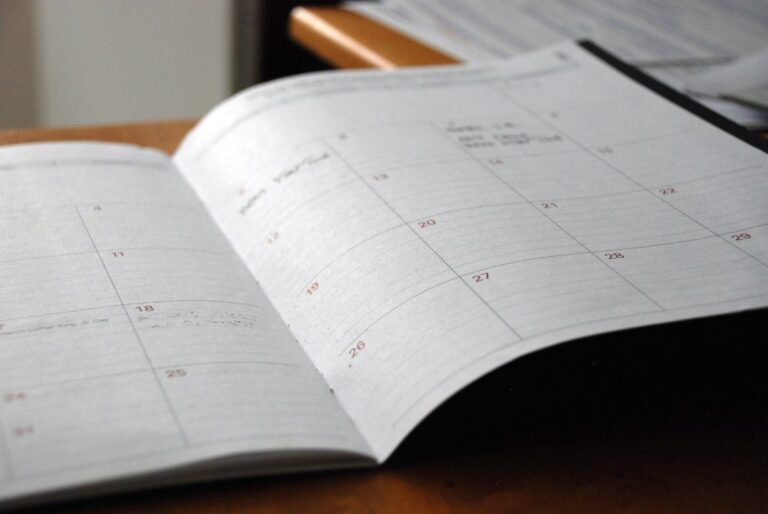
Read labels on a few intact, cool batteries without dismantling anything. Identify the receiving program and its packing instructions, then put a confirmed drop-off on the calendar. Leave damaged items out of the routine load.
Related guide
The 5-Step Home Declutter Process
Authoritative sources
EPA: Lithium-Ion Battery Recycling
EPA: Certified Electronics Recyclers
Featured photo: Roberto Sorin / Unsplash.