
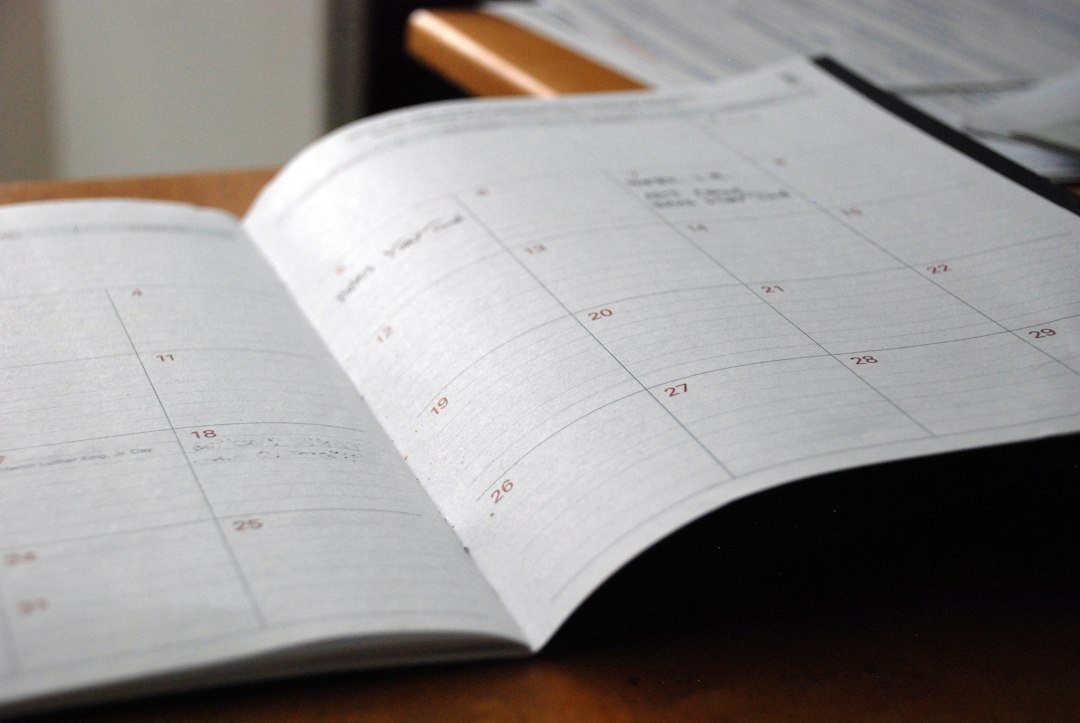
A Simple Bill Calendar for Households That Hate Budgeting Apps
At a glance: Put due dates, check dates and payment status on one calendar you already use. Keep sensitive details elsewhere, confirm payments actually post and use a short weekly review to catch missing statements or changes.
Collect the recurring bills once
Spread out the most recent statements or open your secure account list. Include housing, utilities, insurance, loans, communications, memberships and annual obligations. You are mapping due dates, not calculating every penny you have ever spent.
For each bill record the company, usual due date, typical amount or variable status, payment method and where the statement arrives. Keep account numbers and login credentials out of a calendar that others may see. CFPB offers free tools for tracking bills and spending.
Choose one calendar you already use
A paper month-at-a-glance calendar, a simple spreadsheet or an existing phone calendar can all work. The important feature is visibility. Mark the due date and one earlier check date for anything requiring manual action.
If a payment amount changes with usage, note that it is variable rather than treating last month’s figure as a guarantee. For annual insurance renewals, place a reminder early enough to compare coverage and ask questions.
Separate paid, scheduled and needs attention
Those three statuses are enough to keep a bill calendar honest. A scheduled automatic payment may still fail if the funding account is short or card details have changed. Mark paid only when you have confirmation that the payment posted.
For bills paid by someone else, record the role rather than circulating bank details. A quick shared review can avoid duplicate payments without handing broad account access to everybody.
Build a five-minute weekly ritual
Pick the same day each week, open the calendar and check the next ten days. Confirm whether statements arrived, whether amounts make sense and whether automatic payments remain active. Then close it.
Keep a separate list for disputed charges or confusing statements; one difficult bill should not prevent a quick review of the rest. The calendar is a decision aid, not a financial diagnosis.
Use due dates that fit actual income timing
If bills cluster at an inconvenient time, ask the provider whether a due-date adjustment is possible. Some offer options, others do not. Do not assume changing a date reduces the amount owed or avoids interest; read the terms first.
A small cash-flow worksheet can be useful when money is tight. For budgeting methods or debt questions, consult the Consumer Financial Protection Bureau’s educational tools or a qualified counselor rather than treating a blog checklist as personalized financial advice.
Create a handoff someone can understand
Write a one-page explanation of where the calendar lives, who normally pays each category and where official statements are found. Keep sensitive credentials in a separate, protected system with authorized access.
A bill calendar is successful when a second person could see what is due without searching a table full of receipts. Review the setup monthly and remove services that no longer exist.
Try a calendar entry that shows the next action
A useful entry might say “Electricity: statement expected around the 8th; check amount on the 10th; payment due on the 18th.” Those dates are an illustration, not a recommended schedule. Use the actual statement and provider terms for your account. Add whether the payment is manual or automatic and where to find its confirmation.
Record variable amounts as variable. If a statement is missing, the next action is to obtain it through the provider’s trusted channel. If money is insufficient, the calendar helps identify the problem early; it does not choose which obligation to miss. Contact the provider or an appropriate financial counselor for help with those decisions.
Make the handoff easy to check
Agree which person checks each bill and who can provide authorized backup. The calendar can name the instruction folder without containing bank logins or full account numbers. Test the arrangement with one ordinary bill while the usual person is available to answer questions.
When a card expires or an account changes, review the affected automatic payments. Keep the old row until the final bill, refund or cancellation is resolved. Removing an entry because you changed providers can hide the last payment that still needs attention.
Your first 15 minutes
Enter the next three bills from their actual statements. Add an earlier check date, mark the payment method and schedule a five-minute review. Keep a separate follow-up note for anything disputed or unclear.
Helpful guides
Organize What Matters: Information Your Family May Need
Sources and tools
CFPB: Your Money, Your Goals Toolkit
CFPB: Bills and Money Conversation Guides
This article is general household-organization information, not individual financial advice.
Featured photo: Eric Rothermel / Unsplash.